0079-08-24 13:00 UTC
Vesuvius buries Pompeii
August 24, 79
Mount Vesuvius erupts above the Bay of Naples, burying Pompeii and Herculaneum under ash and sealing a Roman afternoon in place.
Not for saleOpen record
Held permanently by the registry. Never for sale.
August 24, 79
Mount Vesuvius erupts above the Bay of Naples, burying Pompeii and Herculaneum under ash and sealing a Roman afternoon in place.
September 4, 476
Odoacer removes Romulus Augustulus at Ravenna, the date later historians chose as the end of the Western Roman Empire.
July 16, 622
Muhammad's migration from Mecca to Medina starts the year that becomes the first of the Islamic calendar.
December 25, 800
Pope Leo III crowns Charlemagne in Rome on Christmas Day, reviving an imperial title in the West after three centuries.
October 14, 1066
A day-long battle on Senlac Hill ends with the death of Harold Godwinson and the Norman conquest of England.
May 1, 1206
A council on the Mongolian steppe proclaims Temüjin ruler of all the tribes, founding the Mongol Empire.
June 15, 1215
King John seals a charter at Runnymede accepting that the king is subject to law.
October 1, 1347
Galleys arriving in Sicily carry the Black Death into Europe, beginning the deadliest pandemic in recorded history.
May 30, 1431
Condemned for heresy at nineteen, Joan of Arc is burned in the market square of Rouen.

January 1, 1440
Johannes Gutenberg begins printing with movable metal type, and the cost of a page collapses.
May 29, 1453
After a fifty-three-day siege, Ottoman forces enter Constantinople and the Eastern Roman Empire ends.

October 12, 1492
A Spanish expedition under Columbus reaches an island in the Bahamas, opening four centuries of contact and conquest.

October 31, 1517
Martin Luther circulates his objections to indulgences in Wittenberg.

September 6, 1522
The Victoria reaches Sanlucar de Barrameda with eighteen survivors, the first ship to circle the world.

May 24, 1543
Copernicus receives the printed De revolutionibus on the day he dies.
October 15, 1582
Catholic Europe wakes on 15 October, ten days having been deleted overnight to correct the drifting Julian year.
February 17, 1600
The philosopher who argued for an infinite universe of other suns is executed in the Campo de' Fiori.
March 20, 1602
The Dutch East India Company receives a twenty-one-year monopoly and issues the first publicly traded shares.
January 7, 1610
Through a homemade telescope, Galileo notes three small stars beside Jupiter that move with it.
November 21, 1620
Forty-one men aboard a ship off Cape Cod agree to govern themselves by majority consent.

July 5, 1687
Newton sets out the laws of motion and universal gravitation.
November 1, 1755
A massive quake, then a tsunami, then fire destroys Lisbon on All Saints' Day and shakes European philosophy.

July 4, 1776
The Second Continental Congress adopts the Declaration of Independence in Philadelphia.
November 21, 1783
Pilâtre de Rozier and the Marquis d'Arlandes lift off from Paris in a Montgolfier balloon.

July 14, 1789
A Paris crowd takes the fortress, and the French Revolution has its symbol.
August 22, 1791
Enslaved people in the north of Saint-Domingue rise against the plantation system in the only successful slave revolution in history.
December 2, 1804
At Notre-Dame, Napoleon takes the crown from the pope's hands and places it on his own head.
June 18, 1815
The Imperial Guard breaks as Prussian forces arrive, ending twenty-three years of European war.

July 1, 1826
Nicephore Niepce fixes a view from his window at Le Gras after hours of exposure.
February 21, 1848
A pamphlet printed in London sets out a theory of history that will organise and divide the next century.

November 24, 1859
Darwin publishes, and the first print run sells out the same day.

January 1, 1863
Lincoln declares enslaved people in the rebelling states to be free.
April 15, 1865
Five days after the surrender at Appomattox, the president is shot during a performance in Washington.
May 10, 1869
A telegraph key wired to a ceremonial spike at Promontory Summit transmits one word, "done", and joins a continent by rail.
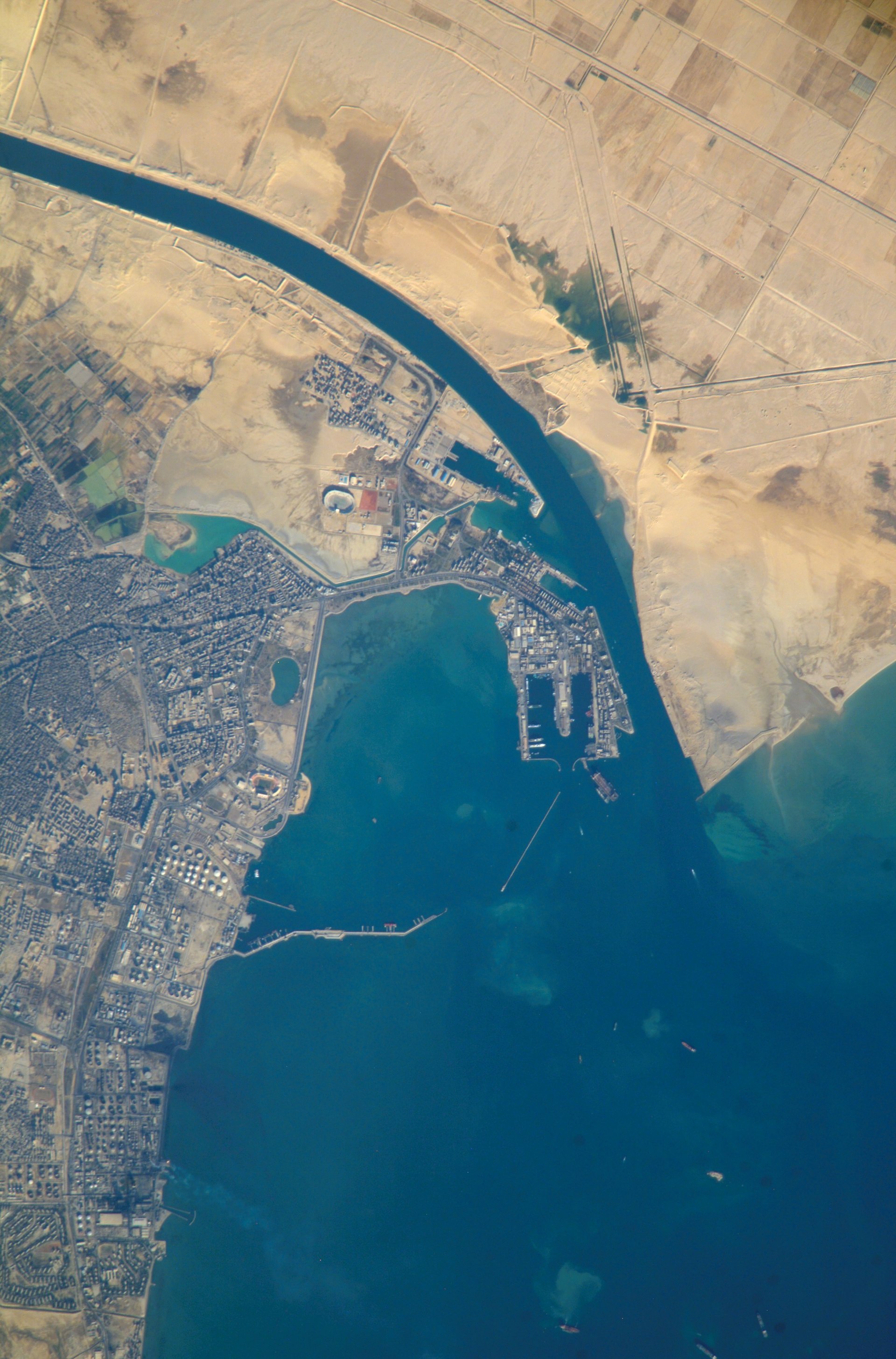
November 17, 1869
Two seas are joined and the route to Asia is cut by thousands of miles.

March 10, 1876
Alexander Graham Bell speaks the first words transmitted by telephone to Thomas Watson in Boston.

October 22, 1879
Edison and his team run a carbon filament lamp long enough to make electric light practical.

March 31, 1889
Gustave Eiffel raises the French flag at the top of the tallest structure in the world.
September 19, 1893
The Electoral Act receives royal assent, making New Zealand the first self-governing country with universal women's suffrage.

December 28, 1895
The Lumiere brothers show paying audiences moving pictures at the Grand Cafe in Paris.

April 6, 1896
The Games open in Athens with fourteen nations.
December 26, 1898
Marie and Pierre Curie report a new, intensely radioactive element to the French Academy of Sciences.